How to Order Product Samples Before Placing a Bulk Order
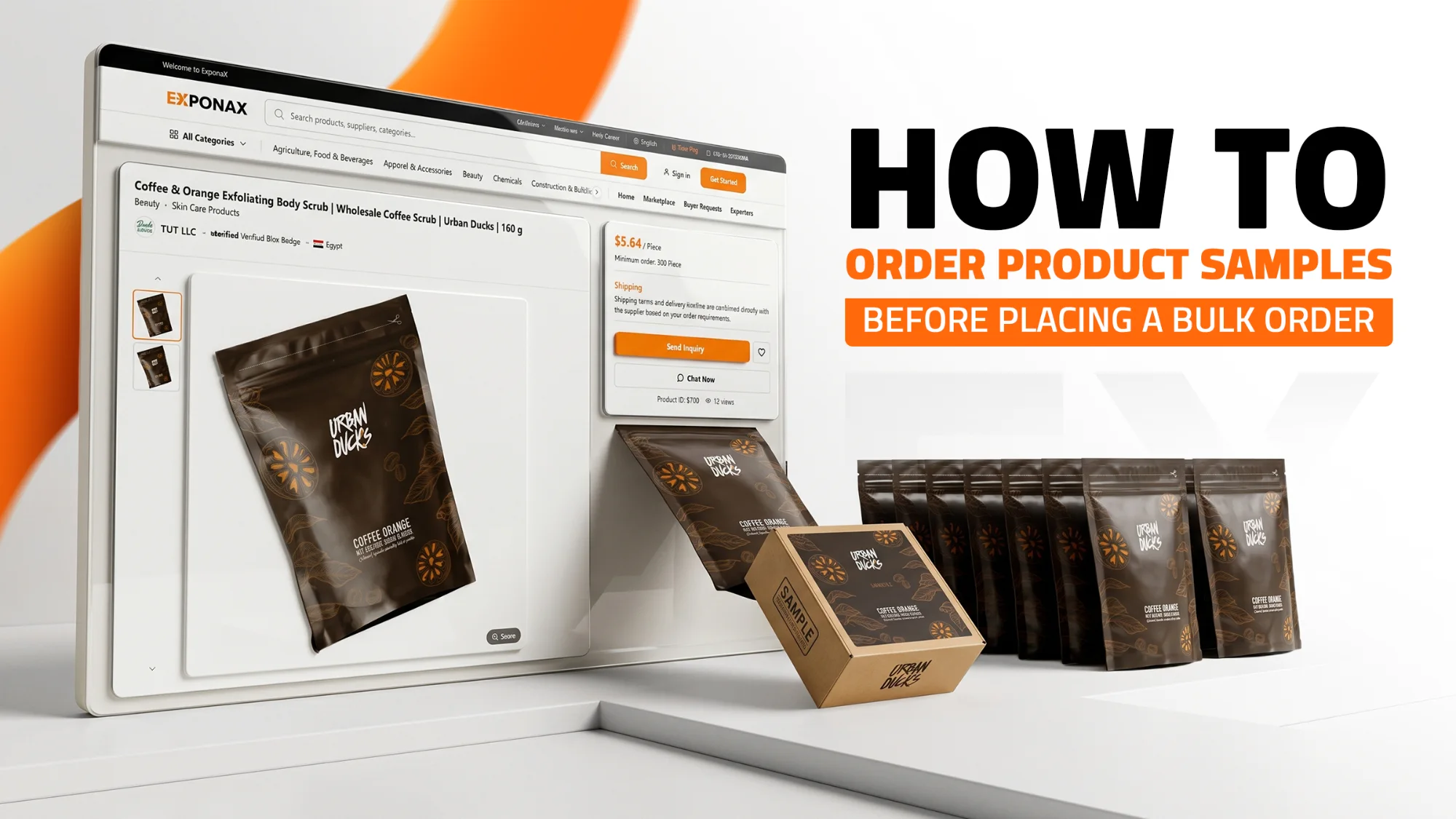
Ordering a product sample before placing a bulk order helps an international buyer evaluate what a supplier can produce before committing to a larger quantity. A sample can reveal differences in material, size, color, taste, packaging, labeling, workmanship, or performance that may not be clear from photographs and quotations. However, receiving a good sample does not guarantee that mass production will match it. Buyers need a written specification, a documented approval process, and appropriate quality controls that connect the approved sample to the final order. This guide explains how to request, pay for, ship, evaluate, and approve product samples before bulk purchasing. Why Product Samples Matter A product sample can help a buyer: Confirm the supplier understood the requested product. Evaluate visible quality and workmanship. Check size, weight, color, materials, ingredients, or performance. Test packaging, labels, branding, and instructions. Compare samples from several suppliers. Identify changes before mass production. Create a physical reference for inspection and acceptance. A sample should support the purchasing decision, but it should not replace supplier verification, product certification, laboratory testing, inspection, or a written commercial agreement. 1. Decide Which Type of Sample You Need Not every sample serves the same purpose. Before contacting the supplier, determine which type is required. Existing or stock sample An existing product from the supplier's current range. It can demonstrate general materials and workmanship, but may not match the buyer's exact specification or branding. Customized sample A sample produced according to requested dimensions, formula, color, packaging, logo, or other requirements. It is more relevant but may require additional time and fees. Pre-production sample A final sample made using the approved production specification before mass production begins. The parties may use it as the reference standard for the order. Laboratory or test sample A sample selected for technical, chemical, microbiological, safety, or regulatory testing. The sampling method and chain of custody may need to follow specific requirements. 2. Send a Clear Sample Request Avoid asking only, "Can you send a sample?" Provide enough detail for the supplier to prepare the correct item. Include: Product name and intended use. Model, grade, material, or formula. Dimensions, weight, color, and finish. Required certifications or test standards. Packaging and labeling requirements. Private-label artwork where applicable. Number of samples. Destination and required arrival date. Planned bulk-order quantity. Tests or evaluation that will be performed. Use the same core specification in the RFQ, sample request, quotation, purchase order, and final agreement. 3. Confirm the Sample Cost Suppliers may offer a free stock sample, charge the product cost, charge a customization fee, or request payment for tooling, molds, printing, or courier delivery. Before paying, confirm: Sample price. Customization or setup fees. Tooling or mold ownership. Packaging and printing fees. Courier and insurance charges. Bank or payment-provider fees. Whether any fee is refundable or credited against the bulk order. What happens if the supplier cannot produce the requested sample. A sample can cost more per unit than bulk production because it may require individual preparation, setup, and express shipping. 4. Verify the Supplier Before Sending Payment Sample orders are smaller than bulk orders, but the buyer should still verify who is receiving the payment. Check: Legal company name and registration. Supplier contact information. Quotation or sample invoice. Beneficiary name and bank or payment details. Whether the beneficiary matches the supplier or an explained authorized entity. Requested product and sample terms. Investigate personal accounts, unexplained beneficiary changes, inconsistent company names, or pressure to pay before the sample requirements are confirmed. For a broader process, read How to Verify a Supplier Before Importing Products . 5. Agree on the Sample Timeline Ask the supplier to separate: Time to confirm requirements. Time to prepare or manufacture the sample. Time for artwork or formula approval. Time for testing where required. Courier transit time. Time for revisions if the first sample is rejected. Confirm when the timeline begins. It may start after payment, artwork approval, receipt of materials, or confirmation of the complete specification. 6. Plan Sample Shipping and Customs Samples sent internationally may still require a customs declaration, commercial or pro forma invoice, accurate description, country of origin, quantity, and declared value. The buyer and supplier should confirm: Courier or freight method. Tracking number. Who pays freight, duties, taxes, and clearance fees. Correct consignee name, address, phone, and tax information where required. Accurate product description and intended use. Declared customs value based on applicable rules. Whether the product is restricted or needs a permit. Required temperature control or special handling. Do not instruct the supplier to use a false description or value. Customs treatment varies by product and destination, so confirm requirements with the courier, customs broker, and relevant authority. 7. Inspect the Package When It Arrives Before testing the product, record the condition of the shipment. Photograph the unopened courier package. Record visible damage, moisture, leakage, or tampering. Check the sample count. Confirm product codes and labels. Retain the shipping label and documents. Record the delivery date. This evidence can help distinguish a product problem from damage that occurred during transportation. 8. Evaluate the Sample Against Written Criteria Do not rely only on a general impression. Compare the sample with the written specification. Depending on the product, review: Dimensions, weight, volume, or count. Material, composition, or ingredients. Color, finish, texture, taste, or odor. Construction and workmanship. Function and performance. Packaging strength and presentation. Label text, language, barcode, and dates. Accessories, instructions, and spare parts. Required tolerances. Create a scorecard if several people or suppliers are involved. Use the same criteria for every sample. 9. Arrange Testing Where Necessary Some characteristics cannot be confirmed by visual examination. Depending on the product and destination, testing may address: Ingredients or chemical composition. Microbiology and contamination. Allergens and nutritional values. Heavy metals, pesticides, or residues. Electrical or mechanical safety. Material strength or durability. Performance against an agreed standard. Use an appropriate qualified or accredited laboratory when required. Confirm the sample identity, test method, report scope, and whether the tested sample represents actual production. 10. Compare Samples From Multiple Suppliers Use a consistent comparison table rather than evaluating each sample from memory. Criterion Supplier A Supplier B Supplier C Specification match Visible quality Function or performance Packaging and labels Testing results Sample cost and timing Communication Bulk quotation Sample quality is important, but compare it together with the supplier quotation, capacity, documentation, delivery time, payment terms, and verification status. See How to Compare Supplier Quotations Before Importing . 11. Document Feedback and Revisions If the sample is not acceptable, provide specific feedback. Include: Sample reference number and date. Photographs with marked problem areas. Measurements and test results. Required correction. Updated artwork or specification. Deadline for the revised sample. Responsibility for revision and shipping costs. Avoid vague comments such as "improve the quality." State the measurable change required. 12. Approve the Final Sample in Writing When the sample is accepted, create a written approval record containing: Supplier and buyer names. Product and sample reference. Approval date. Final specification and tolerances. Approved photographs. Approved artwork, labels, and packaging. Applicable test report. Any approved exceptions. Names of the approving representatives. State whether the approved sample is the reference standard for mass production and future inspection. 13. Connect the Sample to the Bulk Agreement The bulk purchase order or sales agreement should reference the approved sample and specification. Include: Product specification and sample code. Quantity and packaging. Production timeline. Inspection plan and acceptance criteria. Testing and certification requirements. Payment milestones. Remedy for non-conforming production. Rules for approving later changes. Review the required records in Export Supplier Documents: What Buyers Should Request . 14. Keep a Control Sample When practical, the buyer and supplier should retain matching approved samples or clearly identified references. Store them in conditions that preserve their relevant characteristics. A control sample can support production checks, pre-shipment inspection, and discussions about whether the bulk goods match the approved standard. For products that expire, degrade, or vary naturally, document the limits of the comparison. Common Sample-Ordering Mistakes Requesting a sample without a written specification. Approving a stock sample for a customized bulk order. Evaluating only appearance and ignoring performance. Failing to confirm sample, courier, and customs costs. Paying an unrelated beneficiary without verification. Using a false customs description or value. Failing to document revisions and approval. Assuming the bulk order will automatically match the sample. Skipping inspection because the sample was good. How Exponax Supports Sample-Based Sourcing Buyers can use Exponax to discover suppliers, submit an RFQ, receive quotations, and communicate product requirements before committing to a bulk order. The buyer and supplier can discuss sample specifications, quantities, costs, delivery details, required documents, and evaluation expectations through the sourcing process. Once the sample is approved, the agreed reference can be reflected in the product specification and digital agreement for the bulk transaction. Exponax supports a structured workflow, but it does not guarantee that a sample or mass production will meet every requirement. Buyers should conduct the testing, inspection, certification, and due diligence appropriate for the product and destination. Submit a free RFQ to describe your product requirements and receive quotations from relevant suppliers. Product Sample Checklist Define the required sample type. Send a complete written specification. Confirm sample, customization, tooling, and shipping costs. Verify the supplier and payment beneficiary. Agree on preparation and delivery dates. Confirm courier and customs requirements. Document the package condition on arrival. Evaluate the sample using measurable criteria. Arrange laboratory or technical testing where needed. Compare all suppliers using the same scorecard. Document corrections and revisions. Approve the final sample in writing. Reference it in the bulk agreement. Retain a control sample when practical. Inspect mass production before shipment where appropriate. Frequently Asked Questions Should a buyer always order a sample before a bulk order? For products where quality, fit, taste, materials, performance, branding, or packaging matter, a sample is usually valuable. The appropriate level of sampling depends on the product, order value, and risk. Should product samples be free? Not necessarily. Suppliers may charge for the item, customization, tooling, printing, and delivery. Some may credit an agreed fee against a later bulk order. Does an approved sample guarantee mass-production quality? No. It provides a reference standard, but buyers should still define production controls, tolerances, testing, and inspection. Who should pay for sample shipping? The parties should agree before dispatch. The agreement should cover courier charges, insurance, duties, taxes, and any return shipment. Can a sample be marked as having no commercial value? Customs declarations must be accurate and follow destination rules. A sample may still require a declared value and import documentation. Confirm the correct treatment with the courier or customs broker. Final Recommendation Treat sample ordering as a controlled purchasing stage, not an informal exchange. Define the specification, costs, timeline, shipping, evaluation, testing, revisions, and approval process before the sample is sent. Then connect the approved sample to the bulk agreement and inspection plan. This creates a clearer reference for both parties and reduces avoidable disagreement during mass production. Explore the Exponax Marketplace or submit a free RFQ to start sourcing.
- Published
- 2026-10-04
- Updated
- 2026-10-04